WELLBEING - HOW DO YOU FEEL?

Wellbeing - A Change in Approch

Why Feeling Better Matters More Than Optimising Everything


For years, wellbeing has been framed around 'performance' - or improvement.


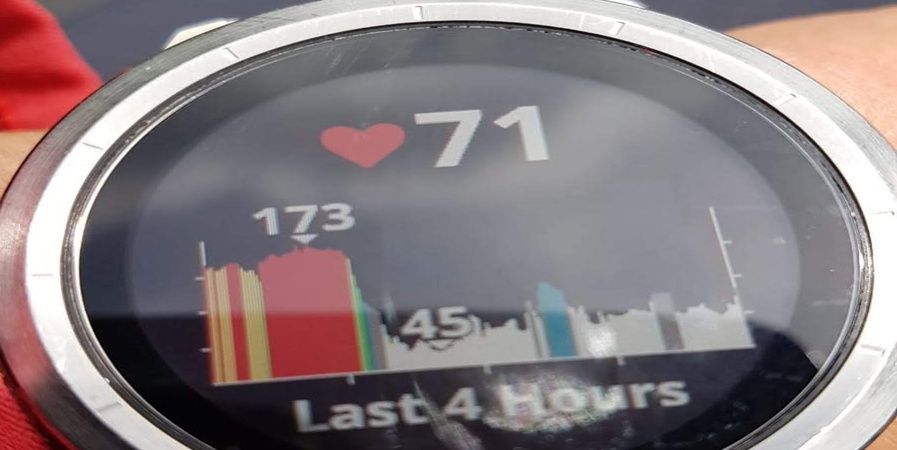
I know as part of challenges, I've counted steps, tracked sleep cycles, measured heart rates, focused on optimising morning routines and pushed myself towards reaching various goals (particularly if I have an event I'm training for).


The underlying principle was simple: if you could measure it, you could improve it. And if you improved it, you would feel better.


Don't get me wrong - I think measurement has it's purpose, but maybe it need not be the driving factor. (For example, we are pretty active and by measuring our levels of activity it enables us to reduce our healthcare insurance. I guess we are using measurement to our advantage, rather than being 'driven' by it).


The 'Peformance Pressure' of Wellbeing


But somewhere along the way, wellbeing became another form of pressure- if indeed it becomes 'another thing you have to find time to do each day.' Should maintaining your wellbeing become a source of angst then surely we've lost our way and it's potentially failing in it's essence.


Perhaps in  2026, we are seeing a shift away from performance-driven wellness and towards something more human.


Instead of asking, “How can I optimise my life?”, I think that more people are asking, “How can I feel well?”


This shift represents one of the most important changes in modern wellbeing culture.


Performance-based wellbeing focuses on outputs. It asks how fast you can run, how many hours you sleep, how productive you are, or how consistent your habits have become.


While these things can be useful indicators, they don’t always reflect how we actually feel.


We can hit 10,000 steps a day and still feel exhausted. Similarly - not hitting 10,000 steps a day can make us feel demotivated and despondent. We can follow the perfect morning routine and still feel anxious or not productive. We can track every calorie and still feel disconnected from our body.


Wellbeing, in its truest sense, is more subjective.


It includes energy levels, emotional balance, meaning, connection and enjoyment. It’s less about achieving perfect scores and more about creating a life that feels sustainable and supportive.


One reason for this shift is burnout.

Wellbeing Should Help Prevent Feeling Burnt Out - Not Contribute To It


I'm sure many of us have at somepoint discovered that constantly trying to improve themselves was exhausting.


The pressure to always be progressing – physically, mentally, or professionally – left little room for rest or contentment.


When wellbeing becomes another task on the to-do list, it can stop feeling supportive and start feeling stressful.


Technology has played a role in this shift too. Wearable devices and apps have made it easier than ever to monitor health metrics, but they have also highlighted the limits of data. Numbers can tell you how long you slept, but not whether you woke up feeling restored. They can track your heart rate, but not your sense of calm. They can measure movement, but not joy.


As a result, many people are beginning to rebalance their approach.


Tracking still has a place, but it is no longer the main goal. Instead, it becomes a tool that supports awareness rather than a target that must be achieved.

Wellbeing - From Pressure To Presence


This change is also reflected in the growing popularity of gentler wellbeing practices.


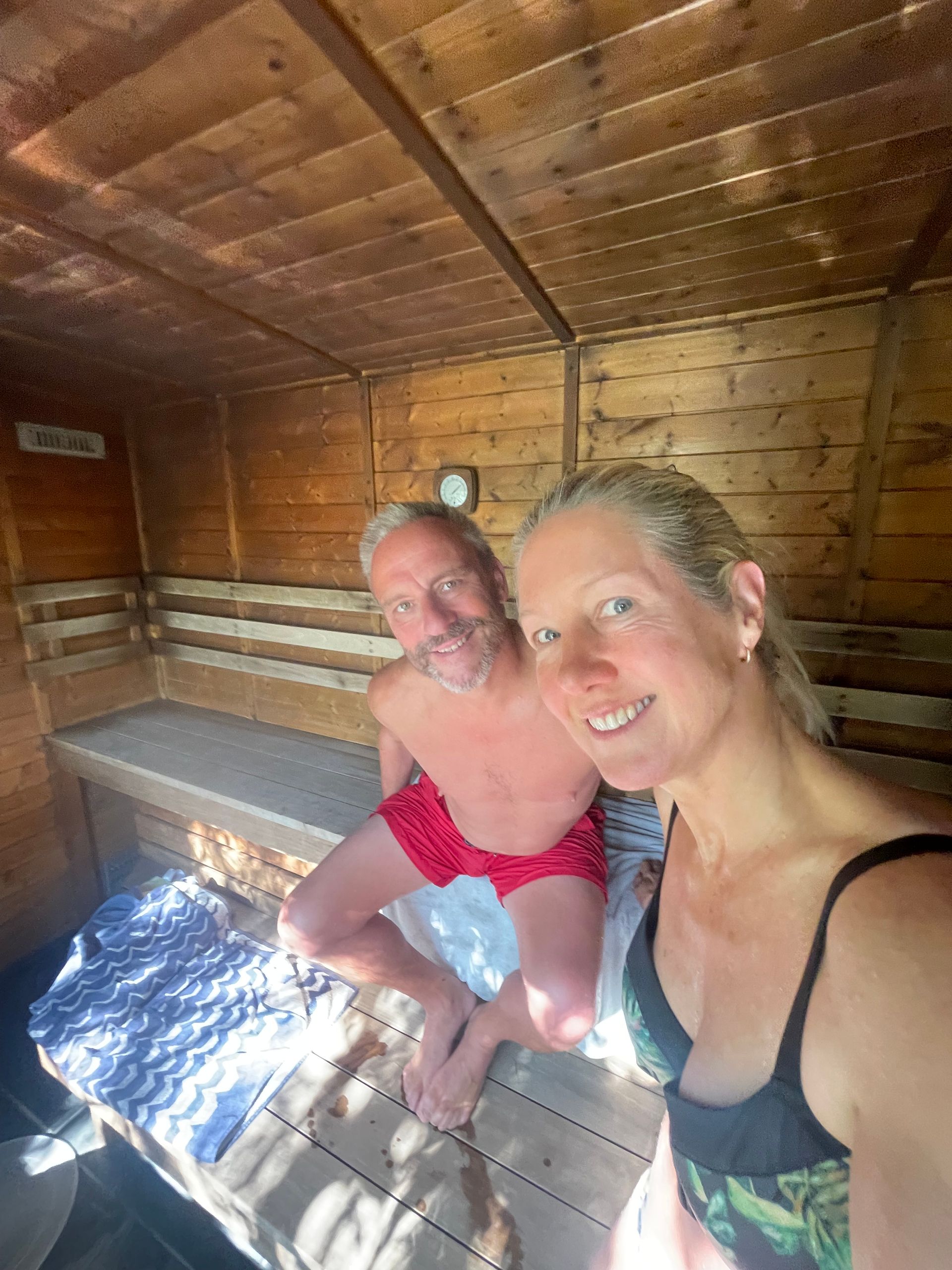
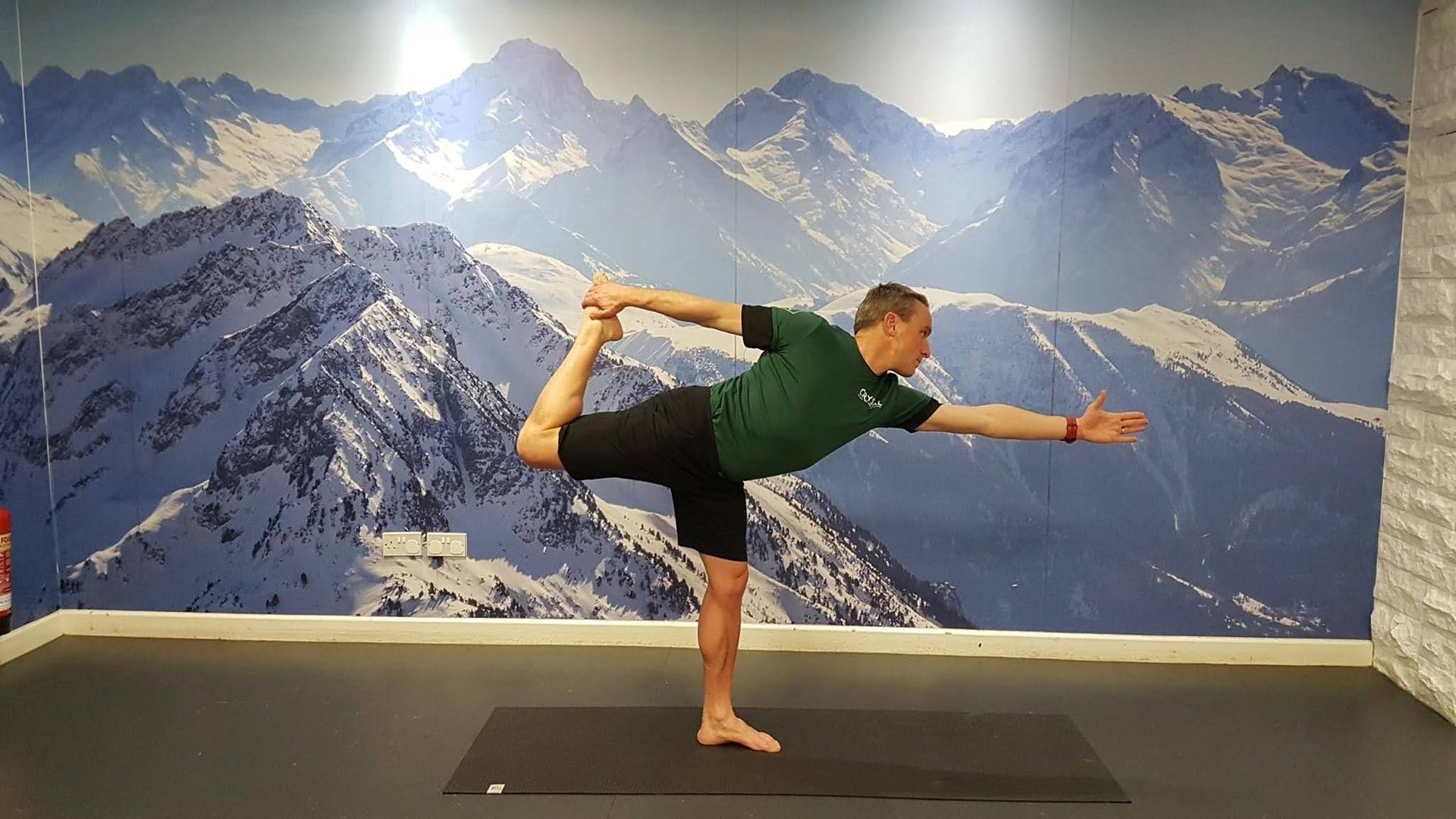
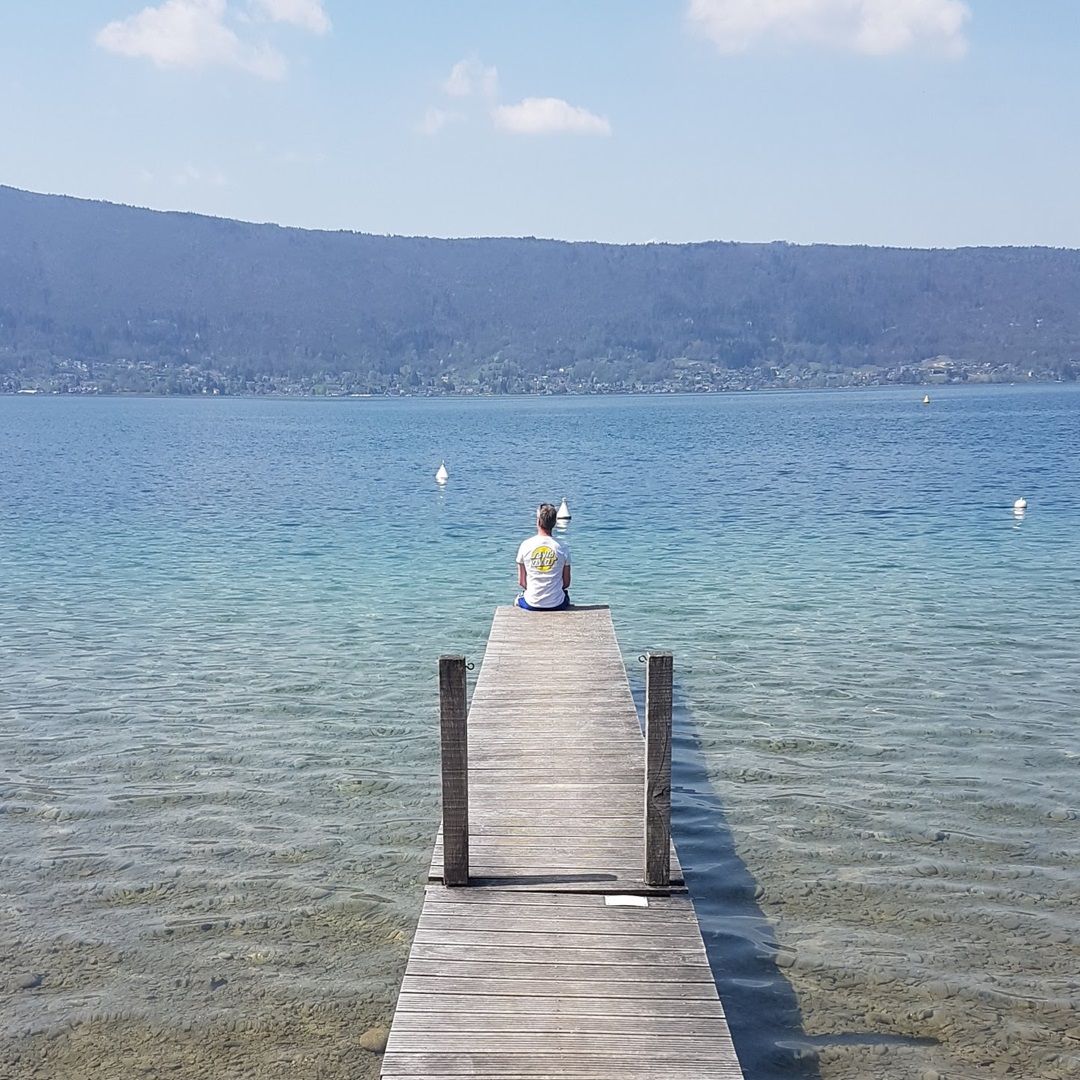
Activities like walking in nature, stretching (dare I say Yoga?), breathwork, meditation and mindful movement are gaining attention not because they burn the most calories or produce the fastest results, but because they help people feel better in the moment.


The focus is shifting from intensity to consistency and from pressure to presence.


Another important aspect of this trend is self-compassion.


Performance-based wellbeing often comes with an unspoken rule: if you are not improving, you are failing.


This is why I love the Dutch concept of 'Niksen' - and the acceptance of doing nothing can also be good for you.


A wellbeing-focused approach replaces this with a more supportive mindset. It recognises that energy levels change, motivation fluctuates and life circumstances evolve. Instead of pushing through at all costs, people are learning to respond to their needs with flexibility.


This doesn’t mean goals disappear.


Goals can still be motivating and meaningful. But instead of being driven by comparison or perfection, they are guided by personal values. We might exercise because it helps them manage stress, not because they want to hit a certain number. We might prioritise sleep because they want to feel energised, not because their app tells them to. Sometimes we need a lie in and need to listen to our body.


Perhaps the biggest difference between performance and wellbeing is enjoyment.


When people focus only on outcomes, we can lose sight of the experience itself.

  • A run becomes about pace rather than fresh air.
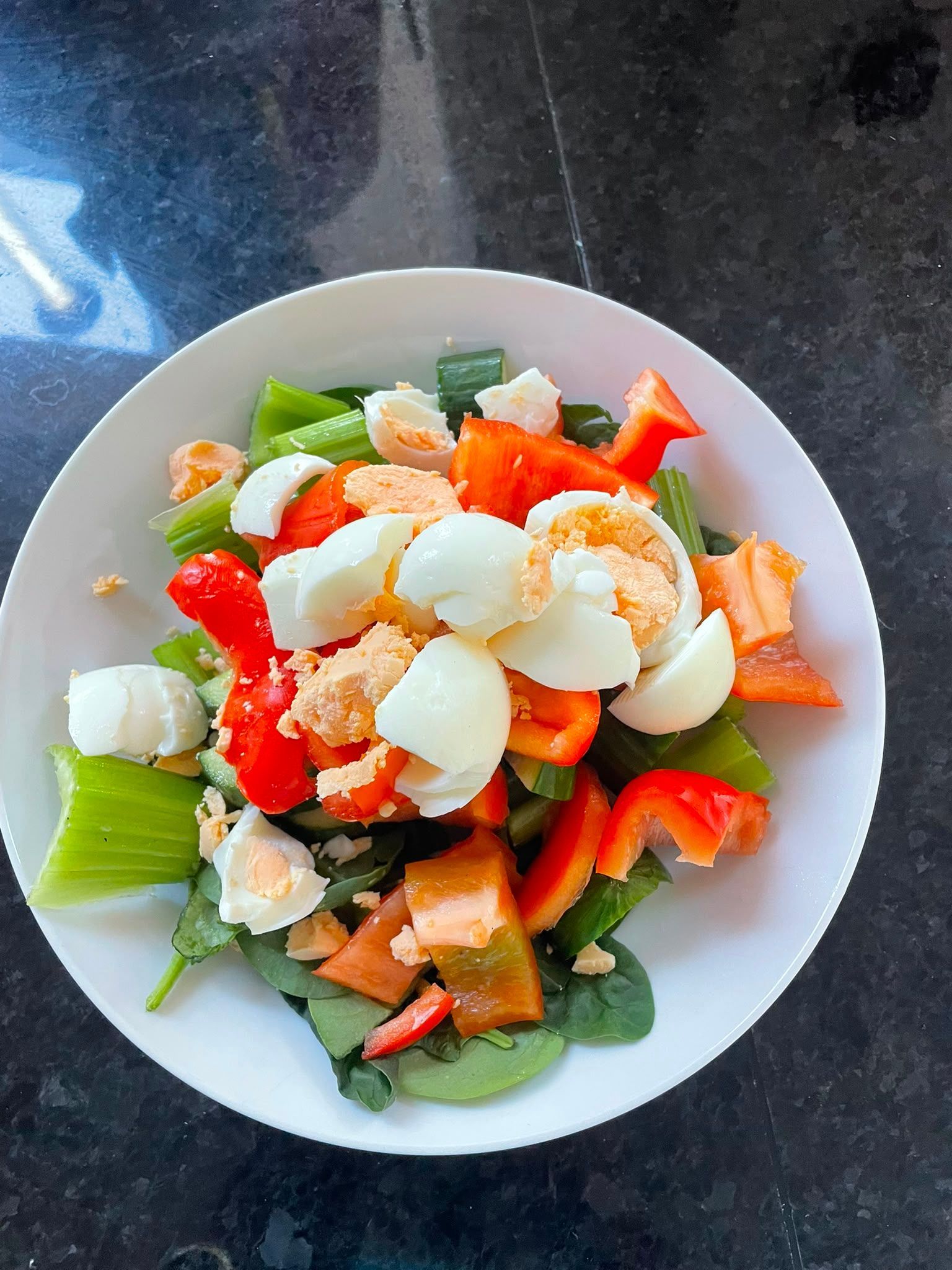
  • A meal becomes about nutrients rather than taste.
  • A routine becomes about discipline rather than support.


Wellbeing invites us back into the experience. It asks us to notice how things feel and to choose habits that support us not just physically, but emotionally too.


As we move further into 2026, this more balanced approach to wellbeing is likely to continue growing.


People are recognising that health is not just about living longer, but about living well.


It is not just about achievement, but about enjoyment.

And it is not just about performance, but about listening to our body.


In the end, the question is no longer “How well am I performing?” but “How well am I living?”


That small shift in perspective has the potential to change everything.

March 30, 2026
The Only Thing That Can Stop You is You
March 16, 2026
Remember Why You Started: Finding Purpose in the Journey
March 2, 2026
With Every Day Comes New Ideas: Cultivating Curiosity and Creativity 
February 16, 2026
Sometimes You Win and Sometimes You Learn: Embracing Growth
February 2, 2026
We Rise by Lifting Others: The Power of Support and Connection
January 26, 2026
You Can Inspire Others: The Ripple Effect of Everyday Actions
January 18, 2026
We love healthy and tasty food!
January 16, 2026
If it doesn't exist - create it!
January 12, 2026
The Best Views Come After the Hardest Climb
December 15, 2025
It’s a Good Week to Have a Good Week: Choosing Intention and Positivity
Show More