

FROM SOLO TO SOCIAL
The Rising Importance of Connection in Wellbeing
As part of my ongoing research into wellbeing and it's ongoing evolution in 2026, I noticed the trend of appreciating the importance connection as a more prevelant theme.
If you've ready any of our previous posts, I've previously hightlighted the 5 Pillars of Wellbeing, with Community being one the pillars.
Traditionally, wellbeing was seen as a personal responsibility. It was something you did alone: going to the gym, meditating in a quiet room, following a nutrition plan, or working on self-improvement.
From personal experience- we always enjoyed group bike rides than going out by ourselves as we get to share the experience and views with others.
While these individual practices still matter, one of the biggest wellbeing shifts in 2026 is the growing recognition that health is deeply social.
Humans are not designed to thrive in isolation. Our sense of wellbeing is closely linked to our relationships, our communities and our sense of belonging. Increasingly, people are rediscovering that connection is not just a nice extra in life – it is essential for both mental and physical health.
This shift towards social wellbeing has been influenced by several factors.
In recent years, many people experienced periods of isolation that highlighted just how important connection really is. Even those who considered themselves independent often found that without regular social contact, their mood, motivation and energy levels declined.
As a result, connection is now being viewed as a key pillar of wellbeing alongside sleep, movement and nutrition.
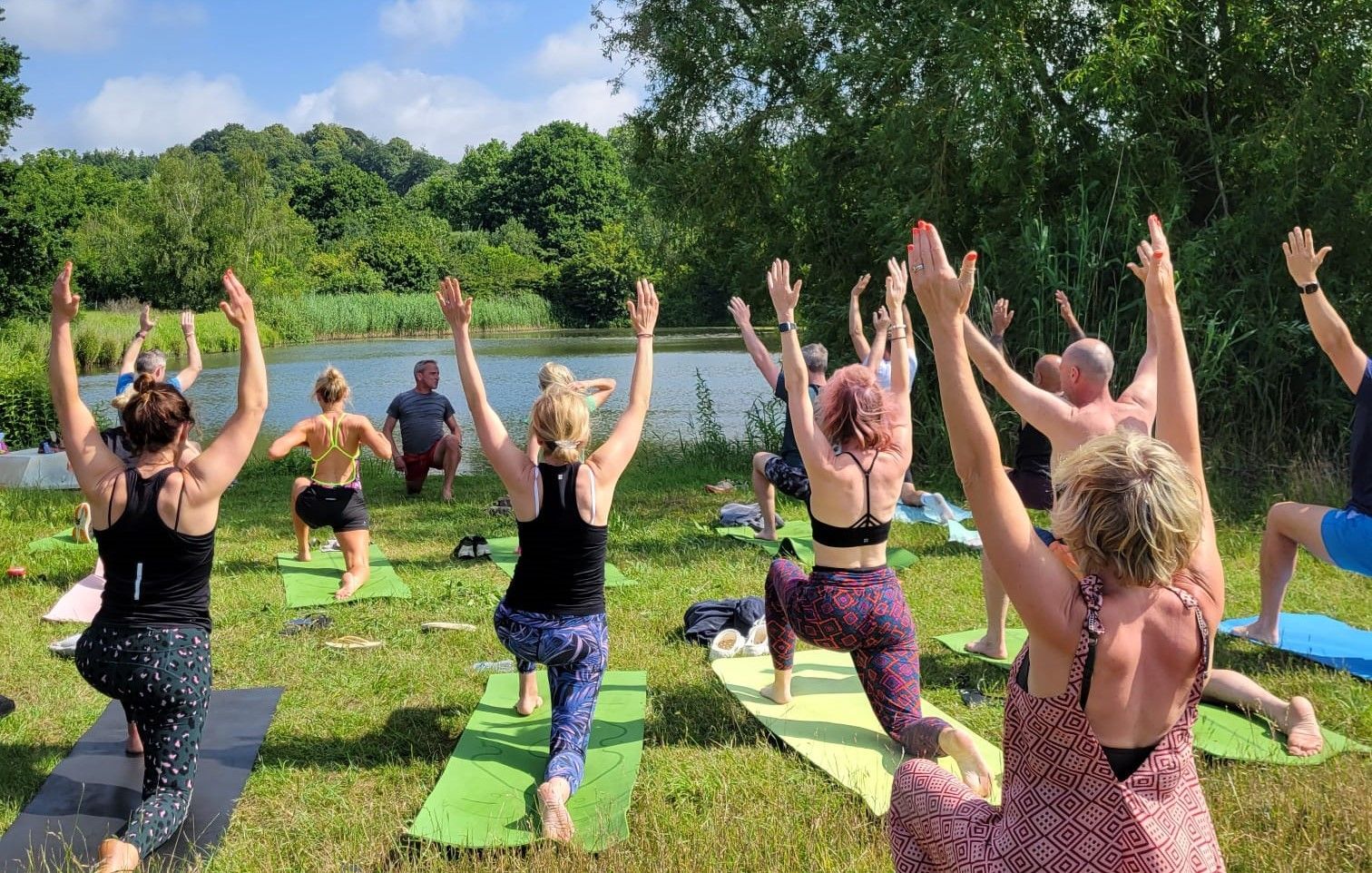
One of the most visible signs of this trend is the growth of group activities. Walking groups, fitness classes, running clubs and community events are becoming increasingly popular. These activities offer more than just physical benefits. They provide structure, accountability and, most importantly, shared experience.
Doing something alongside others can make it more enjoyable and more sustainable. A walk with a friend often lasts longer than a walk alone. A group class can be more motivating than a solo workout. A shared goal can create a sense of purpose that is hard to generate by yourself.
But social wellbeing goes beyond organised activities. Small, everyday interactions can have a powerful impact too. A conversation with a neighbour, a chat with a colleague or a phone call with a friend can all contribute to a sense of connection. These moments may seem minor, but over time they help build a feeling of belonging.
Emotional Wellbeing
Another important aspect of social wellbeing is emotional support. Life inevitably includes challenges, and having people to share those challenges with can make a significant difference. Talking about worries can reduce their intensity, while sharing positive experiences can amplify joy.
Research consistently shows that strong social connections are linked to lower stress levels, improved mental health and even longer life expectancy. But beyond the statistics, connection simply makes life richer. Experiences feel more meaningful when they are shared.
Technology has created both challenges and opportunities in this area. While social media can sometimes contribute to comparison and disconnection, it can also help people find communities they might not otherwise access. Online groups, virtual classes and shared interest communities can all provide valuable connection, particularly for those who might feel isolated locally.
However, many people are now seeking a balance between digital and in-person interaction. Face-to-face connection offers something unique: eye contact, shared laughter and the subtle cues of human interaction that cannot be fully replicated on a screen.
Social Interactions Is Self-care
This renewed focus on connection is also changing how people think about self-care. Instead of always focusing on solo activities, social time is increasingly being recognised as a legitimate and important form of self-care. Meeting a friend for coffee, joining a group or spending time with family is no longer seen as a distraction from wellbeing, but as a vital part of it.
For some people, moving towards more social wellbeing requires stepping outside their comfort zone. Joining a group or reaching out to someone can feel daunting, especially for those who are used to being independent. But connection does not have to mean large groups or busy schedules. Even small steps, like arranging regular catch-ups or joining a small local activity, can make a meaningful difference.
Ultimately, the shift from solo to social wellbeing is about recognising that we do not have to do everything alone. Support, encouragement and shared experience can make healthy habits easier and more enjoyable to maintain.
As we look ahead, it seems likely that wellbeing will become increasingly community-focused. The idea that health is purely an individual responsibility is being replaced by a more balanced understanding: we thrive best when we thrive together.
Wellbeing is not just about what we do for ourselves. It is also about the connections we build and the relationships we nurture along the way.